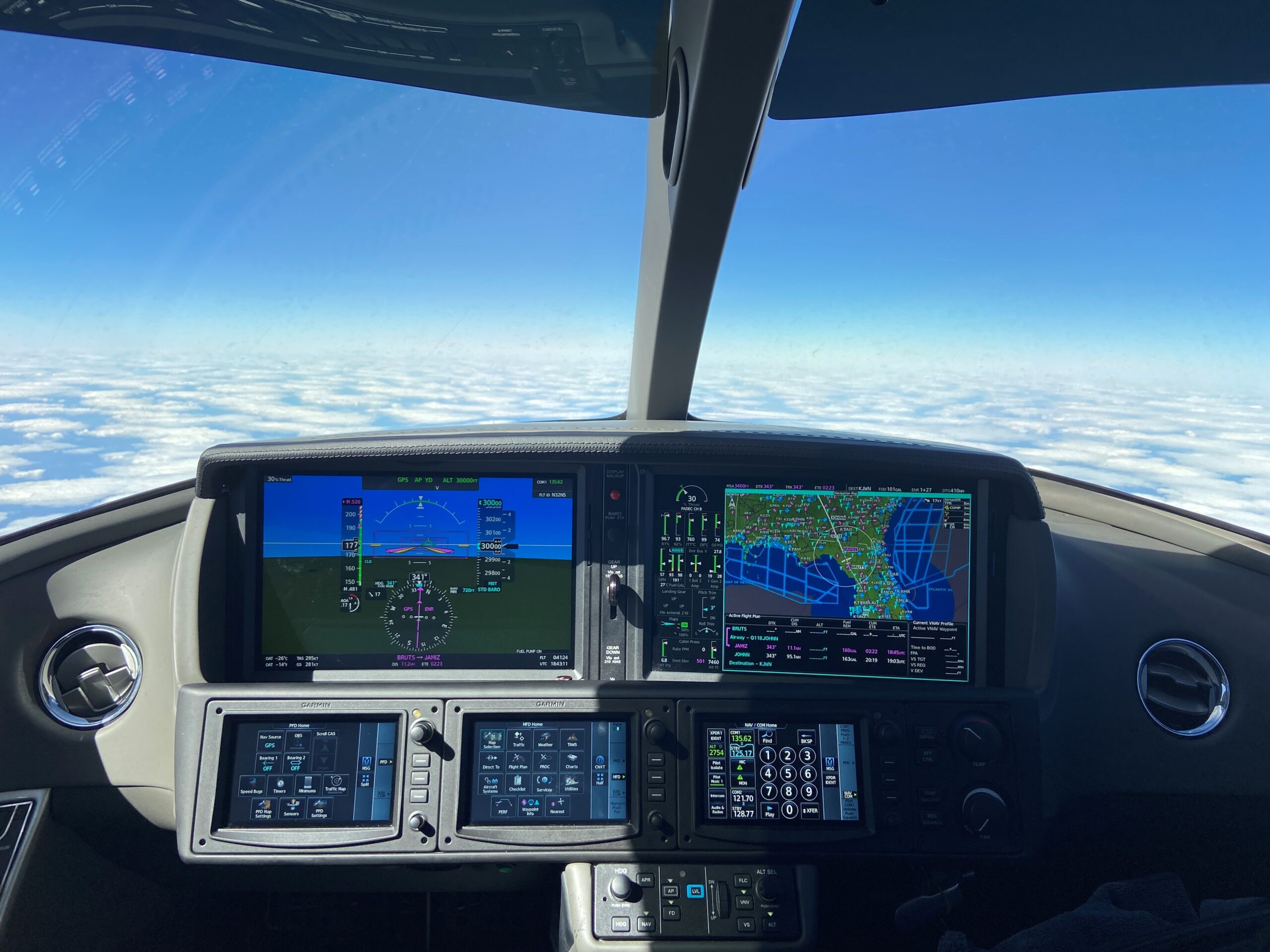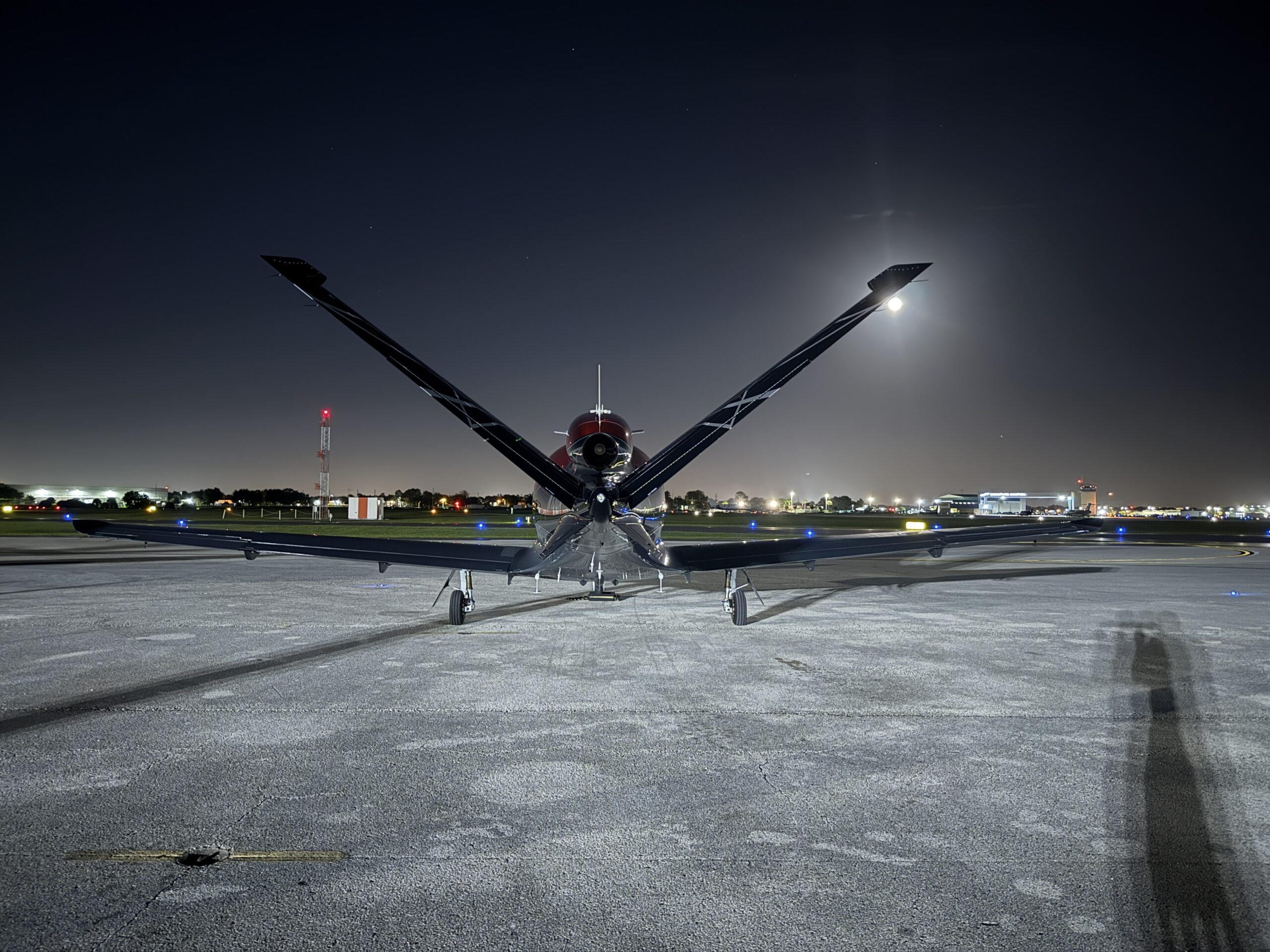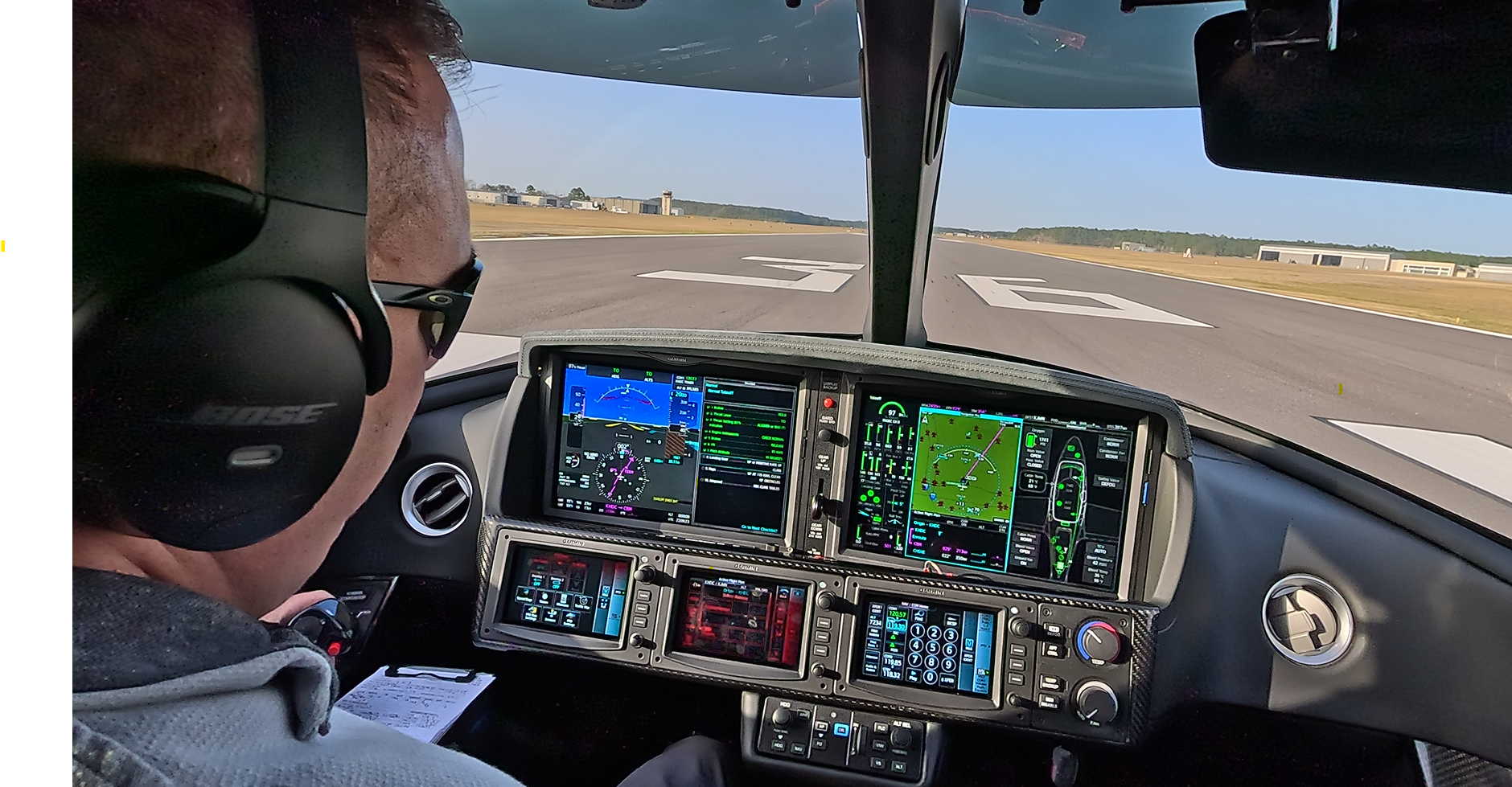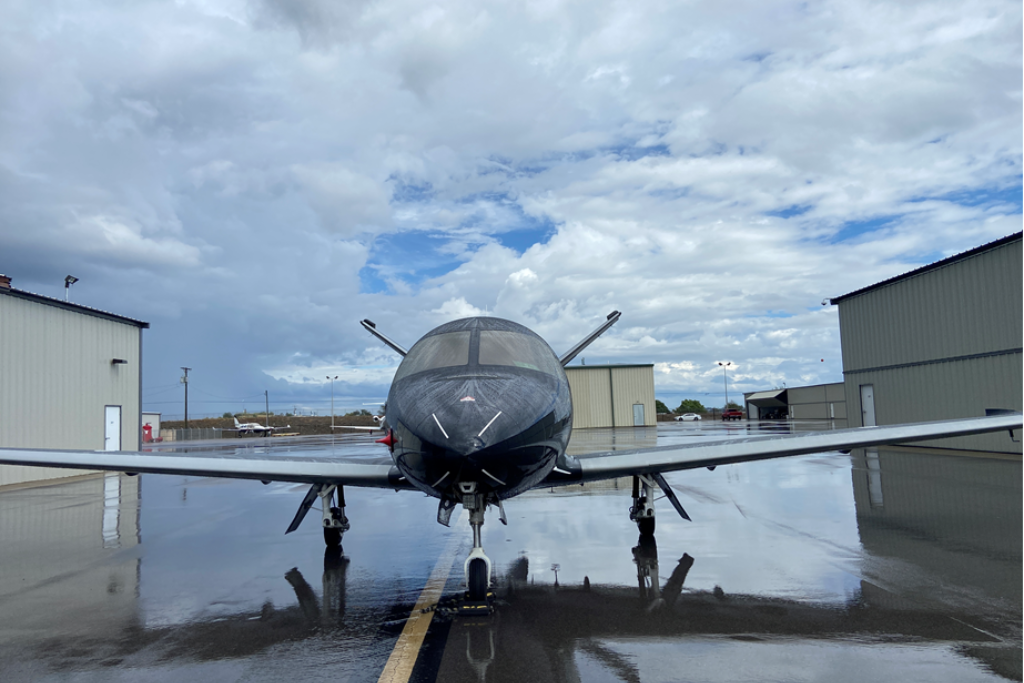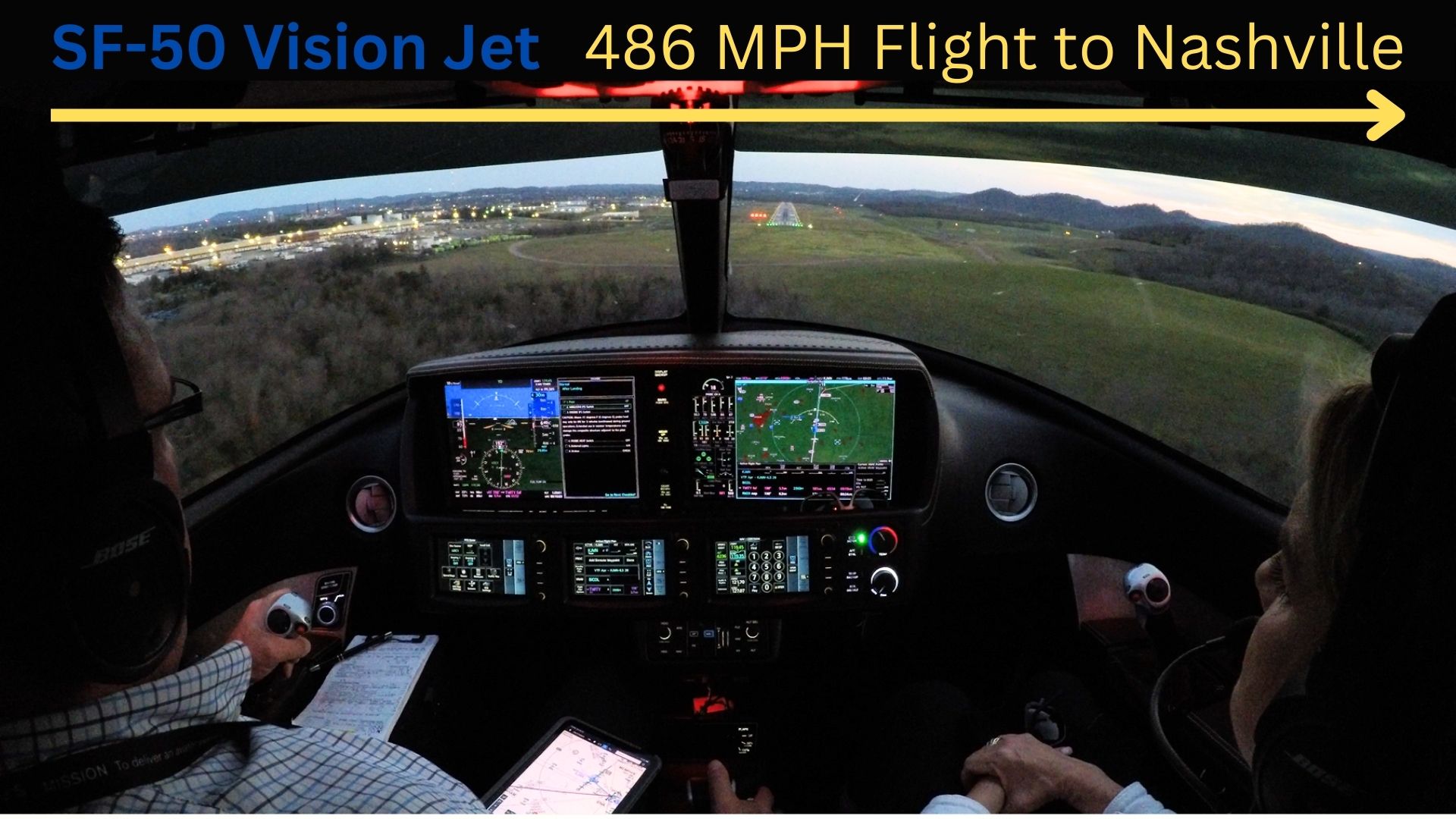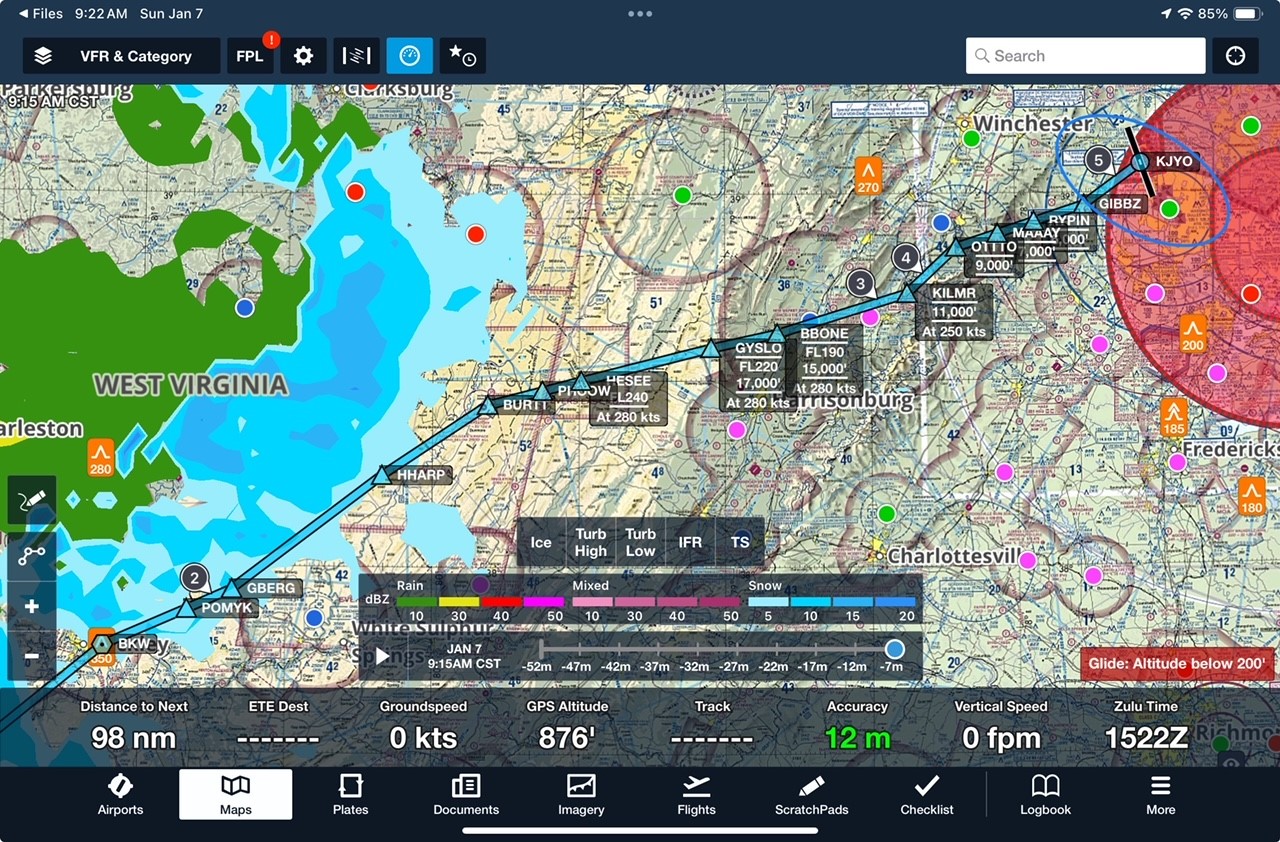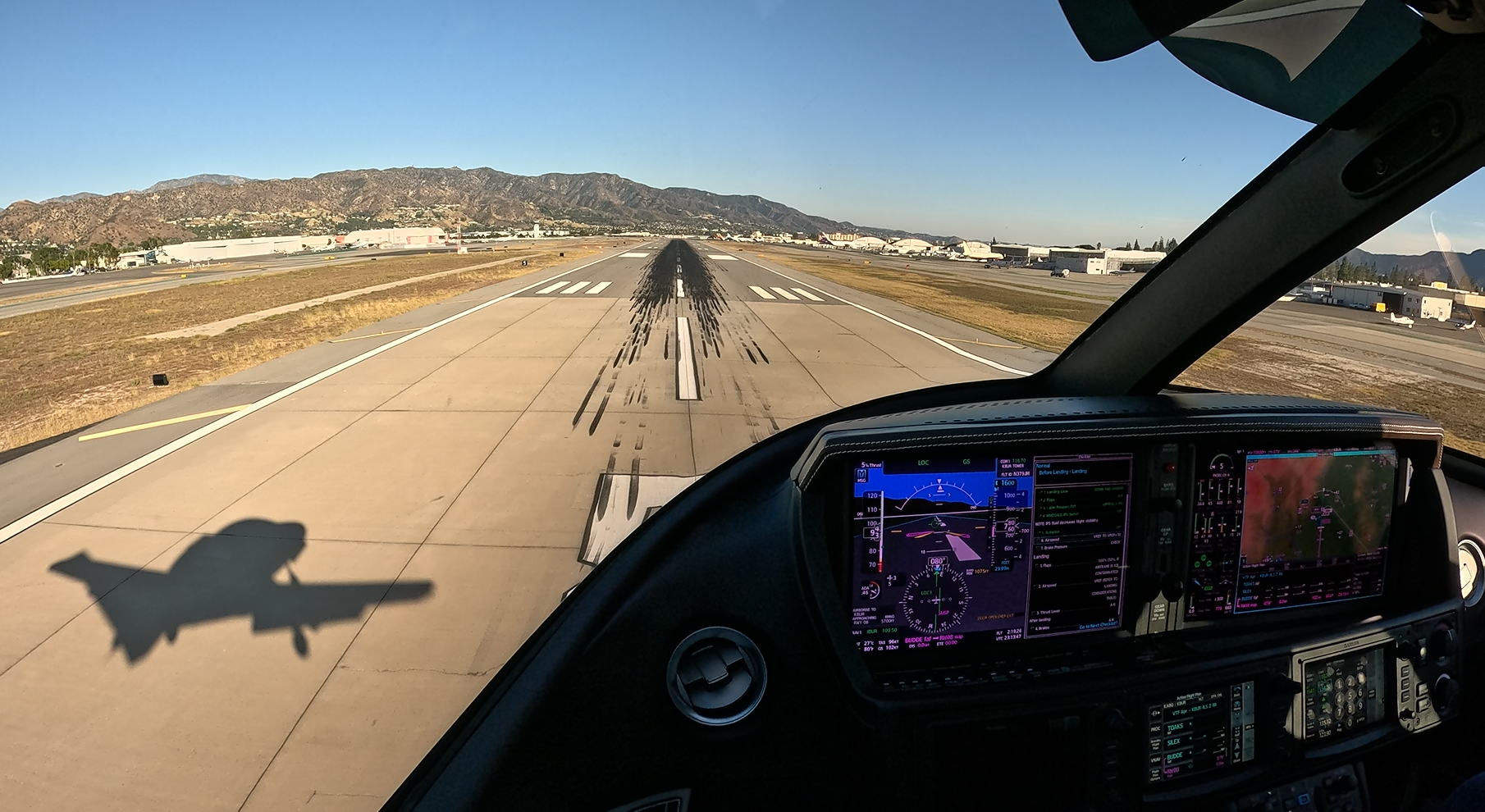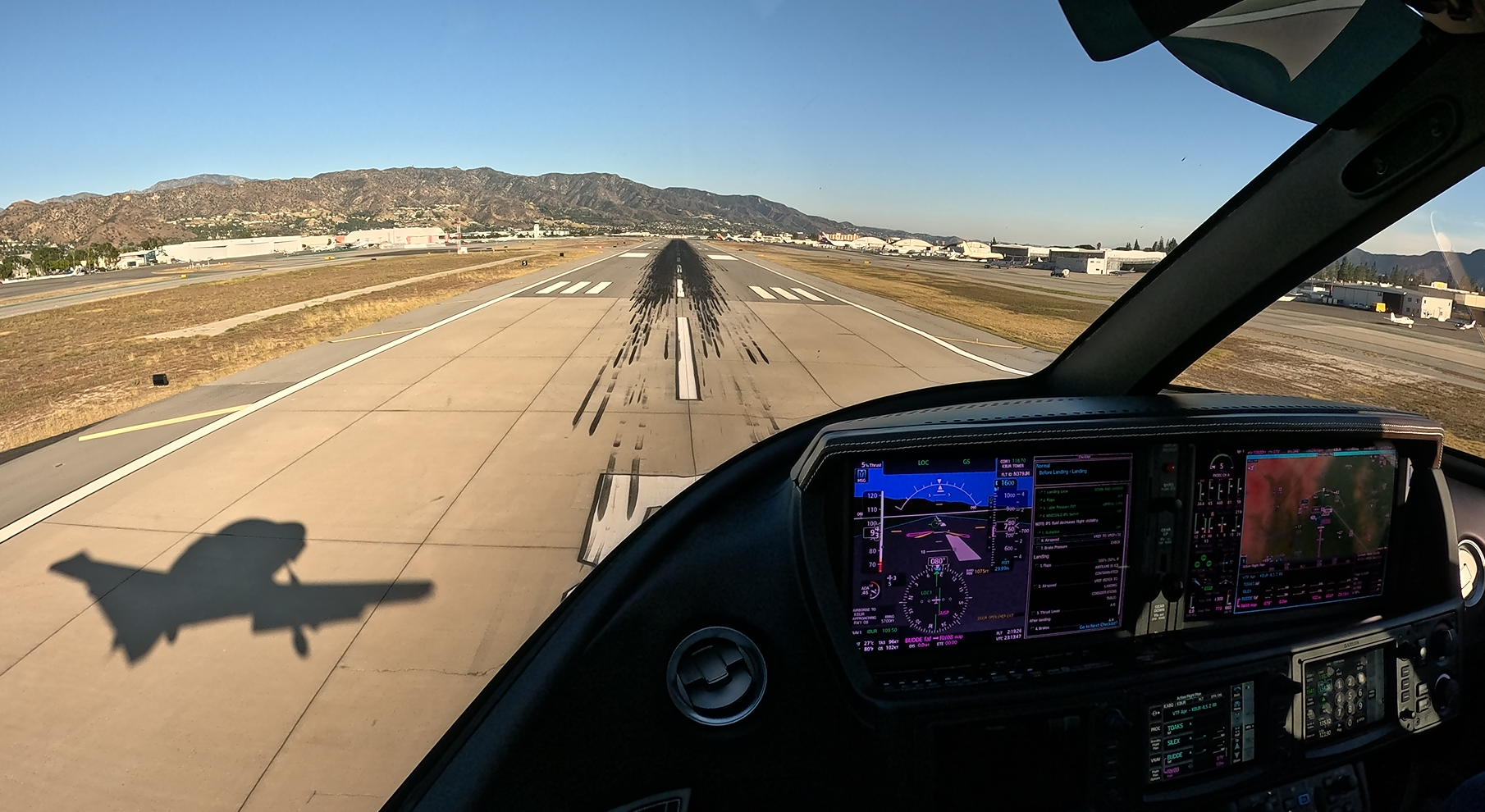

The Cirrus Vision Jet has opened the door to jet ownership for pilots who may never have considered turbine aircraft before. It’s efficient, capable, technologically advanced, and backed by a strong brand. For many buyers, it’s the right airplane.
But after working with Vision Jet owners across the country—and flying the SF50 extensively—I see the same pattern repeat itself: most first-time buyers discover critical realities only after the deal is done.
This isn’t because the aircraft is misunderstood. It’s because the buying process often focuses on what the airplane can do, not what ownership actually looks like.
Here are the most common things first-time Vision Jet buyers don’t fully appreciate until after closing.
Training Is Just the Beginning, Not the Finish Line
Initial Cirrus training is excellent—but it’s only a baseline.
Many new owners assume that once training is complete, they’re fully prepared for real-world operations. In practice, the transition from training environment to independent operations introduces new challenges:
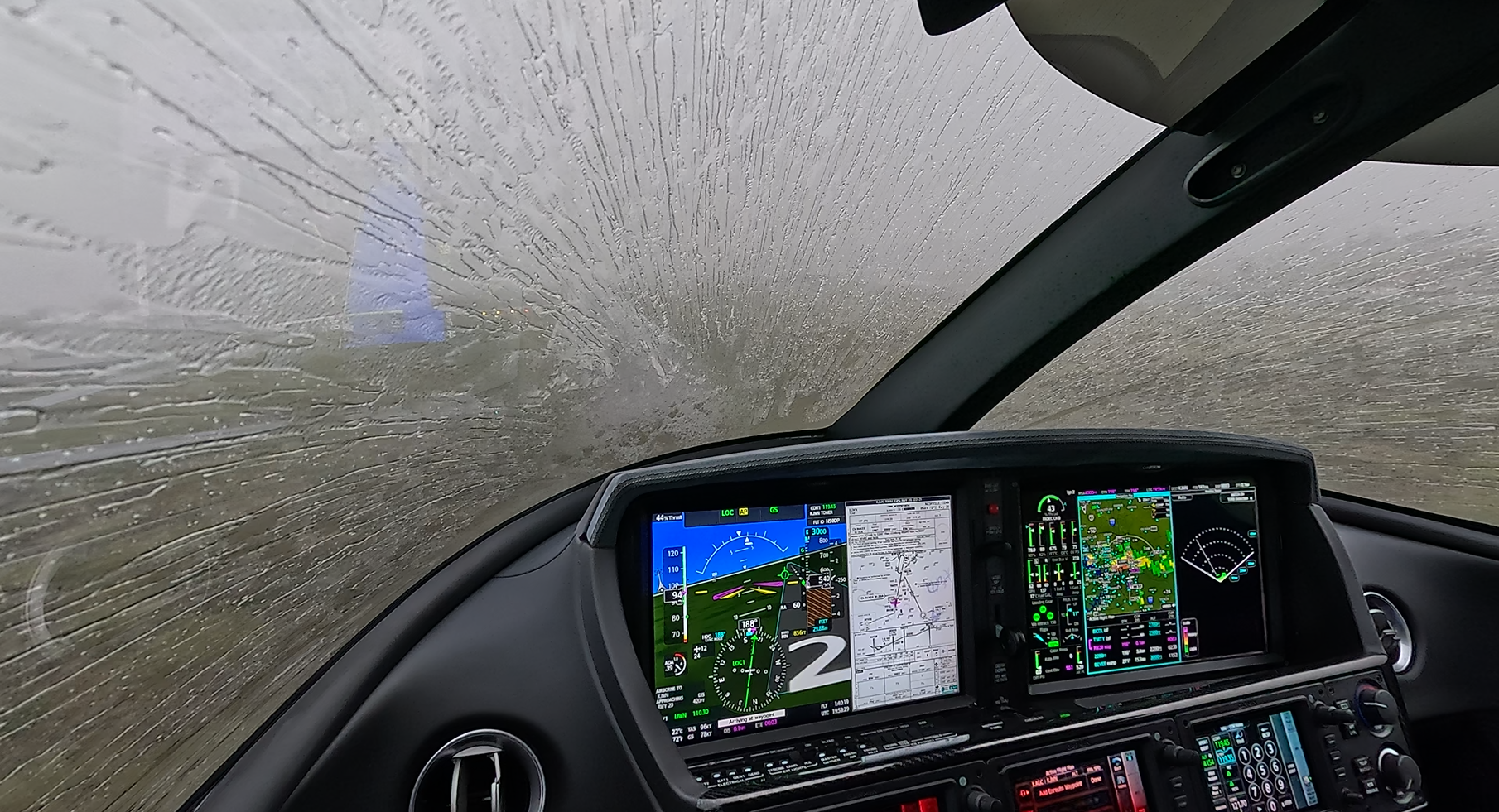
- Operating in unfamiliar weather regimes
- Managing ATC expectations in the jet environment
- Making real-time decisions without an instructor safety net
- Understanding performance margins beyond the POH numbers
The most successful owners treat training as an ongoing process, not a one-time event. Additional mentoring, standardized procedures, and early operational support make a measurable difference in safety and confidence.
Dispatch Reliability Is Not the Same as Piston Aircraft
The Vision Jet is capable—but it is not immune to operational constraints.
New owners are often surprised by how factors like surface ice, snow removal capability, and airport infrastructure affect dispatch reliability, particularly in winter operations or at smaller airports.
Unlike larger turbine aircraft, the SF50 has specific limitations that can ground the airplane even when weather appears “flyable” on paper. Understanding these realities before ownership helps set appropriate expectations and prevents frustration later.
Service Centers Are Busy—All of Them
There are essentially three type of service centers for Vision Jets. Factor Service Centers, Full Service Centers and Line Service Centers. Factory Service Centers and Full Service Centers have the most Vision Jet expertise and repair authority. Independent maintenance facilities outside of the Cirrus network are not authorized to service Vision Jets. Another common assumption is that using a factory service center guarantees faster access or better outcomes.
The reality is more nuanced.
- Factory and approved full-line service centers are often operating at capacity
- Priority is influenced by communication, planning, and realistic scheduling
- There is no requirement to use a factory service center exclusively
Owners who understand the service ecosystem—and plan proactively—tend to experience fewer surprises and less downtime. Knowing where to go, when to schedule, and how to engage service centers is part of ownership strategy, not just maintenance.
Two “Identical” Vision Jets Rarely Are
Listings often make Vision Jets look interchangeable. They’re not, and overpaying sets you up for a disadvantageous exit strategy.
Differences that materially affect value and ownership experience include:
- Maintenance status and upcoming inspections
- Software and avionics configuration
- Maintenance history and operational pedigree
- How the aircraft has actually been flown and maintained
- Remaining JetStream program time remaining
- Specific interior and exterior appearance/condition
- Installed equipment, color combinations, and quality of previous ownership
Buyers frequently focus on asking price without fully understanding downstream costs, timing risks, or operational implications. This is where independent analysis—not sales representation—becomes critical.
Brokers Primarily Represent the Seller
This surprises many first-time buyers because most brokers are helpful and cooperative with buyers. This can sometimes create a perception that the broker is representing the seller and buyer. This is not based upon fact, so be very careful. Some buyers are convinced the JetStream program protects them, and they waive their rights to prebuy inspection, test flights and acceptance flights. You are making a considerable investment, so protect it!
In most transactions, brokers are legally and practically aligned with the seller. Even when they are helpful and professional, their role is not buyer advocacy.
Buyers should retain independent representation that is focused solely on:
- Buyer interests
- Risk identification
- Operational suitability
- Long-term ownership success
- Operational insights
- Ownership support
This distinction is often only appreciated after issues surface post-closing.
SOPs Matter More Than Owners Expect
Standard Operating Procedures are often viewed as something only needed for large flight departments. In reality, SOPs are one of the most effective tools Vision Jet owners can use to reduce risk—especially when using contract pilots.
Clear SOPs:
- Standardized decision-making
- Improve consistency across pilots
- Support insurance expectations
- Protect the owner operationally and legally
Owners who implement SOPs early tend to have smoother operations and fewer misunderstandings down the road.
The Bottom Line
The Vision Jet is an exceptional aircraft—but successful ownership requires more than enthusiasm and a purchase agreement.
Most post-closing surprises aren’t caused by the airplane itself. They stem from gaps in preparation, representation, and real-world operational insight during the buying process.
At SF50 Flight Support, we don’t sell airplanes. We help owners and buyers understand what they’re actually stepping into—before commitments are made. Our role is to provide independent, experience-based guidance so Vision Jet ownership starts on solid footing.
If you’re considering a Vision Jet—or already own one and want to optimize the experience—independent perspective matters. Let SF50 Flight Support, LLC provide you with expert guidance and support!
Call is toll free at at (855) 479-4370, text us at (615) 543-8553 or email csr@sf50flightsupport.com.
For more video content, check out our – YouTube channel.