Vision Jet Flight Into Known Icing (FIKI)
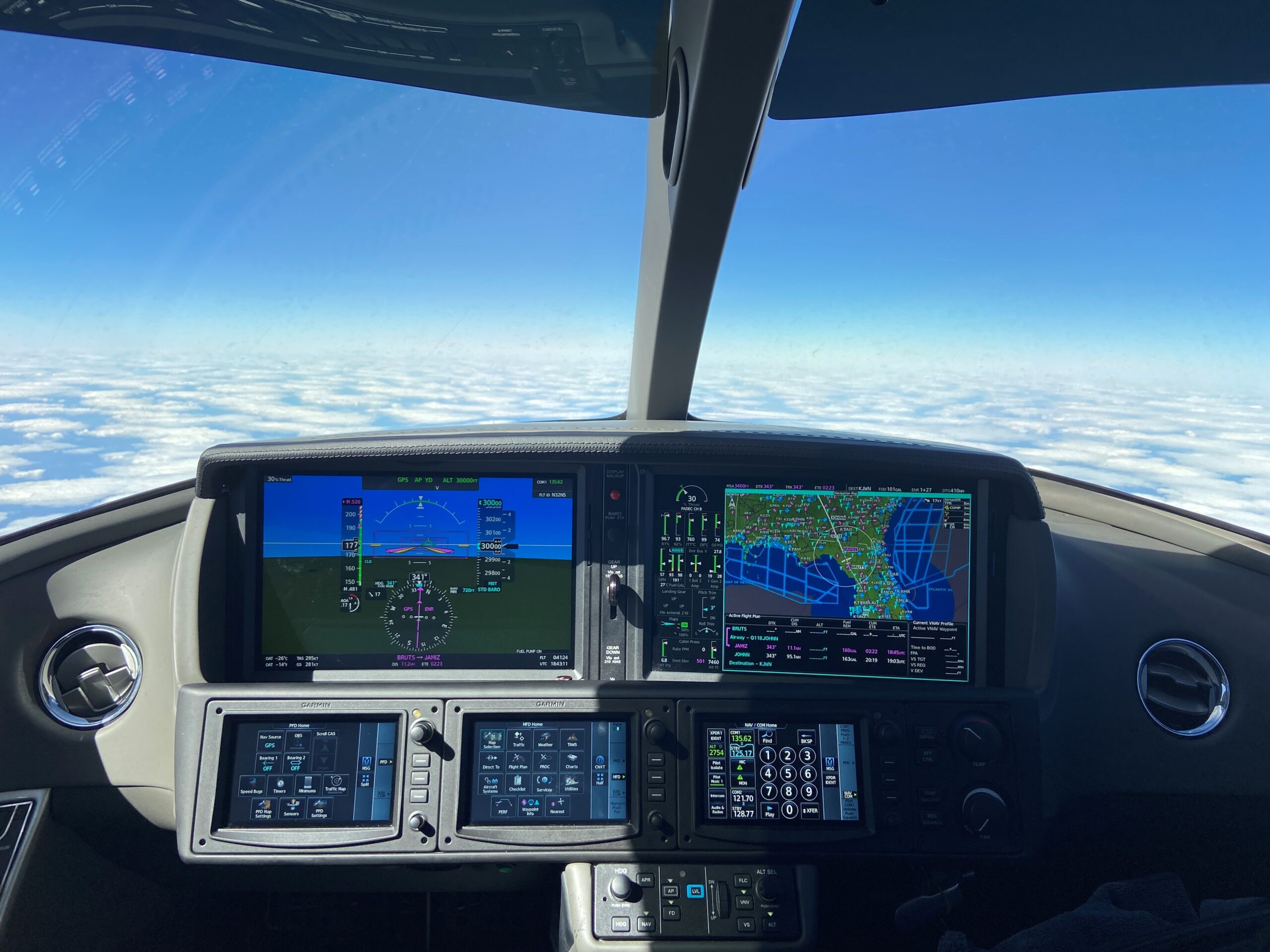
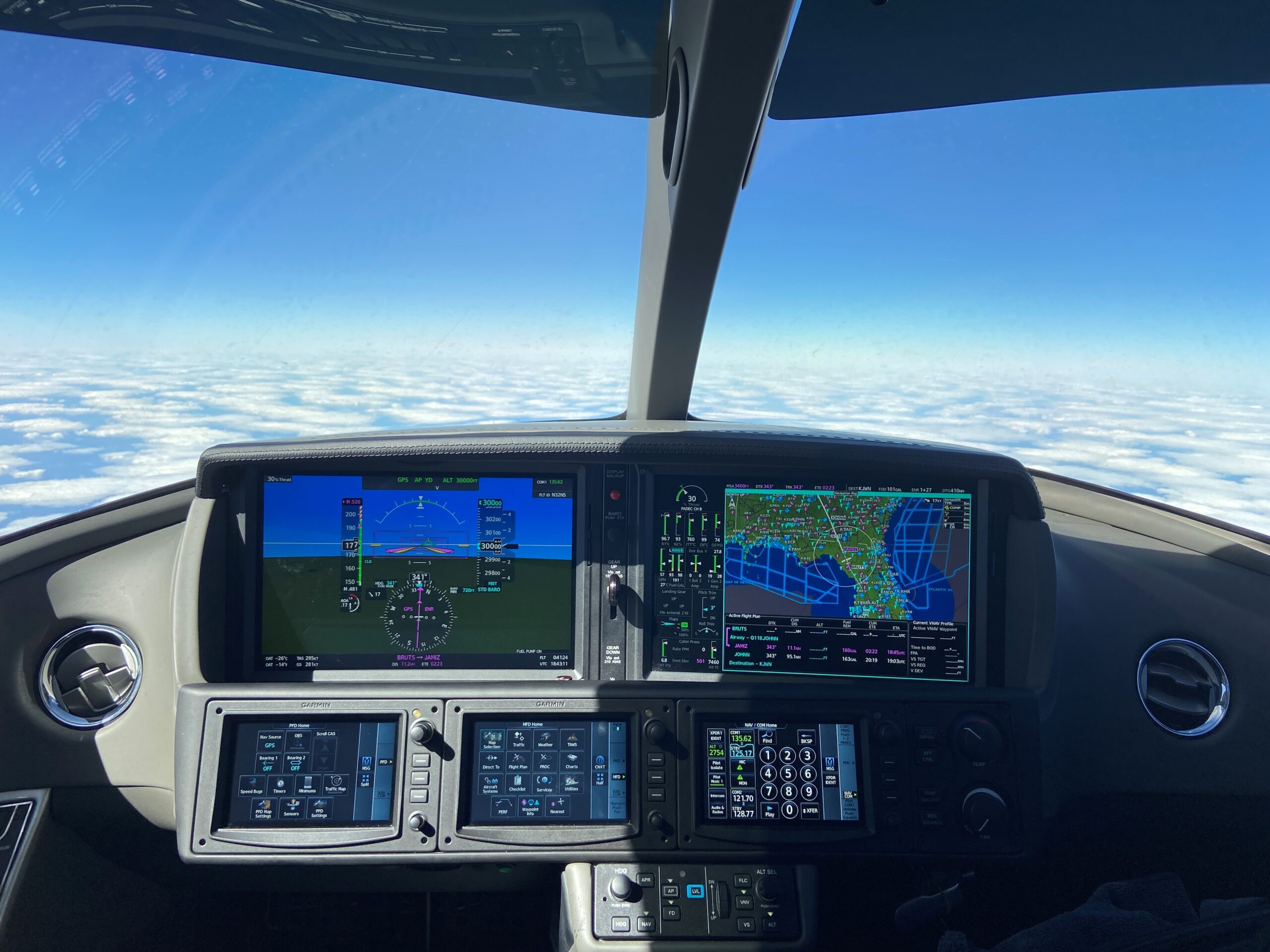
One useful factor when assessing an SF50’s susceptibility to icing is Total Air Temperature (TAT), which is conveniently displayed on the Aircraft Systems > Status & Info page.
Icing is possible throughout the year, but more prevalent in transition seasons or when temperatures are less than -20°C. What kind of icing might we expect is largely determined by temperature. Keep in mind warmer precipitation can sometimes be found at higher altitudes, and cooler precipitation can occur at lower altitudes. The lapse rate is not always 2°C per 1000 feet of altitude change. A temperature inversion exists when air temperature increases with altitude, the opposite of the normal lapse rate. Instead of cooling as you climb, the air gets warmer.
Clear (Glaze) Icing
Typical temperature range:
- OAT: 0°C to −10°C
- TAT (SF50 at climb/cruise speeds): Often 0°C to −5°C
Rime Icing
Typical temperature range:
- OAT: −10°C to −20°C
- TAT (SF50 at cruise speeds): Often −5°C to −15°C
As a refresher, TAT is the temperature of the air measured in motion. It is the sum of the static (ambient) air temperature and the temperature rise caused by ram (compressive) heating as the aircraft moves through the air. In practical terms, TAT closely represents the temperature experienced by the aircraft’s leading edges and exposed surfaces.
In the SF50, this distinction matters because the aircraft routinely operates at high true airspeeds in the climb and cruise. As airspeed increases, compressive heating becomes more significant, meaning TAT will be noticeably warmer than OAT, even when operating in airmasses that are well below freezing. This is not due to skin friction, but rather the adiabatic compression of airflow as it decelerates at the sensor and along the aircraft’s leading edges.
From an operational standpoint, TAT is often a better real-time indicator of icing risk in the SF50 than OAT alone. Ice accretion depends on the temperature of the aircraft surfaces—not just the surrounding air—and a warmer TAT can reduce the likelihood or severity of ice formation, particularly at higher airspeeds.
That said, pilots should remain cautious during lower-speed phases of flight—such as climb shortly after takeoff, level-offs, or descents—when compressive heating is reduced and TAT may quickly converge toward SAT, increasing the risk of ice accretion. This is especially relevant when operating near the freezing level in visible moisture.
Icing Conditions (from the AFM)
Icing conditions are defined as visible moisture and OAT ≤ 41 °F (5 °C) or visible ice accumulations on the airframe.
Visible moisture is defined as any cloud, fog with visibility of one mile (1.6km) [just under one mile] or less, mist, rain, sleet, or snow.
Icing conditions may exist whenever Outside Air Temperature (OAT) on the ground, or for takeoff, is below 41 °F (5 °C) and visible moisture in any form is present.
Icing conditions may also exist when OAT on the ground and for takeoff is below 41 °F (5 °C) during operations where snow, ice, standing water, or slush may be encountered. SAE Type 1 deicing fluid is approved for ground deicing.
Boldmethod posted a recent article on FIKI, posing the question is flying in snow considered known icing?
Does snow really count as “known icing conditions?” We talked to the Aviation Weather Center in Kansas City to find out more. Here’s what we found.
FAA’s Revised “Known Icing” Definition
In 2006, the FAA published a letter of interpretation that stated, “known icing conditions exist when visible moisture or high relative humidity combines with temperatures near or below freezing.” This definition grounded many general aviation pilots from flying on days with high humidity and low temperatures, even if no visible moisture was present.
After years of lobbying from AOPA and other groups, the FAA released a revised definition in a 2009 letter of interpretation that left much of the decision making up to individual pilots. No longer was there a humidity value to determine known icing conditions. The pilot’s analysis of available weather products and forecasts in comparison to flight route, altitude, and time would now determine whether a flight was safe and legal.
The letter also clarified that instead of the FAA specifically defining “known ice”, the FAA instead defines “Known or Observed or Detected Ice Accretion” in AIM Table 7-1-9 as:
“Actual ice observed visually to be on the aircraft by the flight crew or identified by on-board sensors.”
Actual adhesion to the aircraft, rather than the existence of potential icing conditions, is the determinative factor in this definition.
But that doesn’t mean you can go flying through anything you’d like. The FAA goes on to say that in the event of an investigation…
“The FAA will specifically evaluate all weather information available to the pilot and determine whether the pilot’s pre-flight planning took into account the possibility of ice formation, alternative courses of action to avoid flight into known icing conditions and, if ice actually formed on the aircraft, what steps were taken by the pilot to exit those conditions.”
It goes without saying, but it’s incredibly important that your icing knowledge is up-to-date, so you can make safe and informed pre-flight decisions.
boldmethod.com – Is Flying Through Snow Considered ‘Known Icing’?
Does snow really count as “known icing conditions?” We talked to the Aviation Weather Center in Kansas City to find out more. Here’s what we found.
Wet Snow vs. Dry Snow
When snow is completely frozen in crystallized form, it generally does not pose a risk for icing. According to the FAA’s Pilot Guide To Inflight Icing Conditions, dry snow does not contain liquid, and it’s unlikely to adhere to your aircraft. In this case, it’s unlikely to pose an icing risk. And the colder the OAT, the more likely it is you’ll encounter dry snow instead of wet snow.