As aircraft become increasingly dependent on sophisticated avionics, understanding the causes of radio interference becomes more important for every pilot. One common source of communication and navigation degradation is precipitation static, commonly referred to as P-static.
Although many pilots associate P-static only with thunderstorms, it can occur in a wide variety of weather conditions—including light snow, rain, ice crystals, or even dry air at high altitude. Knowing how to recognize it and respond appropriately can prevent unnecessary troubleshooting and improve situational awareness.
What Is P-Static?
P-static is the buildup and discharge of electrostatic energy on an aircraft as it moves through the atmosphere.
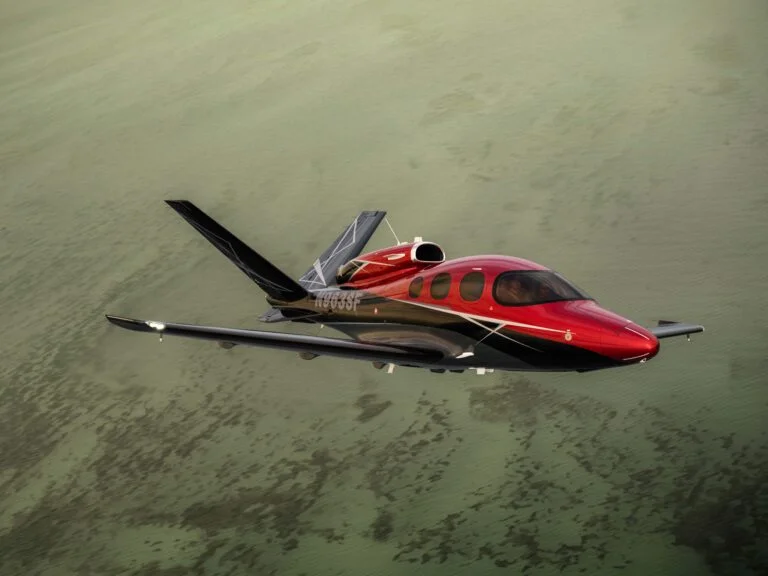
As the Vision Jet flies through precipitation, dust, ice crystals, volcanic ash, or even dry air with low humidity, friction causes electrical charges to accumulate on the aircraft’s composite surfaces and metal components. Once enough charge accumulates, it seeks a path to dissipate into the surrounding air.
These rapid electrical discharges create broadband radio frequency noise that can interfere with onboard avionics.
Unlike a lightning strike, P-static is generally not dangerous to the aircraft. However, it can significantly degrade communication and navigation performance.
What Causes P-Static?
Several atmospheric conditions increase the likelihood of P-static:
- Rain
- Snow
- Ice crystals
- Cloud moisture
- Blowing dust or sand
- Volcanic ash
- Dry air at high altitude
- Flying near convective weather
The Vision Jet’s high cruise altitude means pilots frequently operate in environments where electrostatic charging is more likely.
Symptoms of P-Static
The most common symptom is radio interference.
Pilots may notice:
- Loud crackling or popping in the headset
- Continuous static on COM radios
- Reduced transmission quality
- Difficulty hearing ATC
- Intermittent GPS or navigation anomalies
- ADS-B or transponder performance degradation (rare)
- Weather radar noise or reduced sensitivity in severe cases
One important characteristic is that the interference often affects multiple radios simultaneously.
If both COM1 and COM2 suddenly become noisy while operating in precipitation, P-static should be high on the list of possible causes.
Why Composite Aircraft Are Different
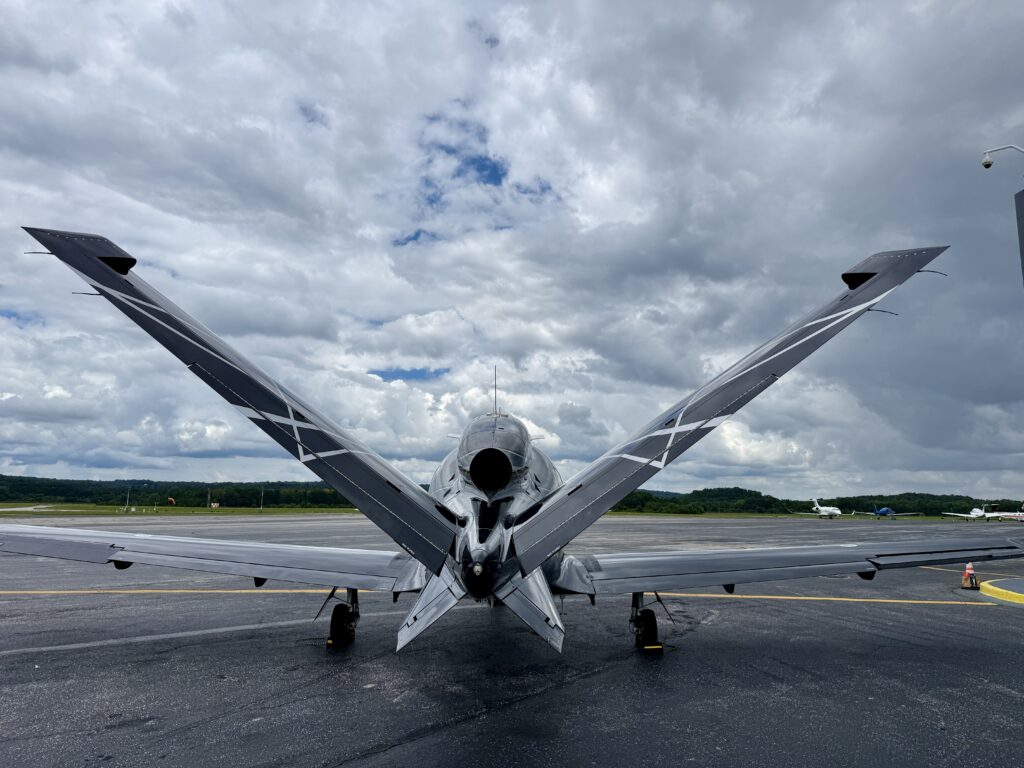
The Vision Jet’s airframe is primarily constructed of composite materials. Cirrus does not approve use of silicone based waxes or sealant on their aircrafts due to risk of P-Static.
Unlike aluminum aircraft, composites are poor electrical conductors. Manufacturers incorporate conductive meshes, bonding straps, and lightning protection systems to safely distribute electrical energy, but static charges can still accumulate on exposed surfaces before dissipating.
This makes proper bonding and static discharge systems especially important.
Static Wicks
Many turbine aircraft use static discharge wicks installed on the trailing edges of the wings, horizontal stabilizer, and vertical stabilizer.
These small devices provide a controlled path for accumulated electrical charge to leave the aircraft continuously rather than discharging in random bursts.
A properly functioning static wick dramatically reduces radio interference.
The Vision Jet incorporates an engineered lightning and static protection system appropriate for its composite construction. During preflight, pilots should inspect all external components associated with that system for obvious damage or missing parts and report any abnormalities before flight.
Weather Conditions That Increase Risk
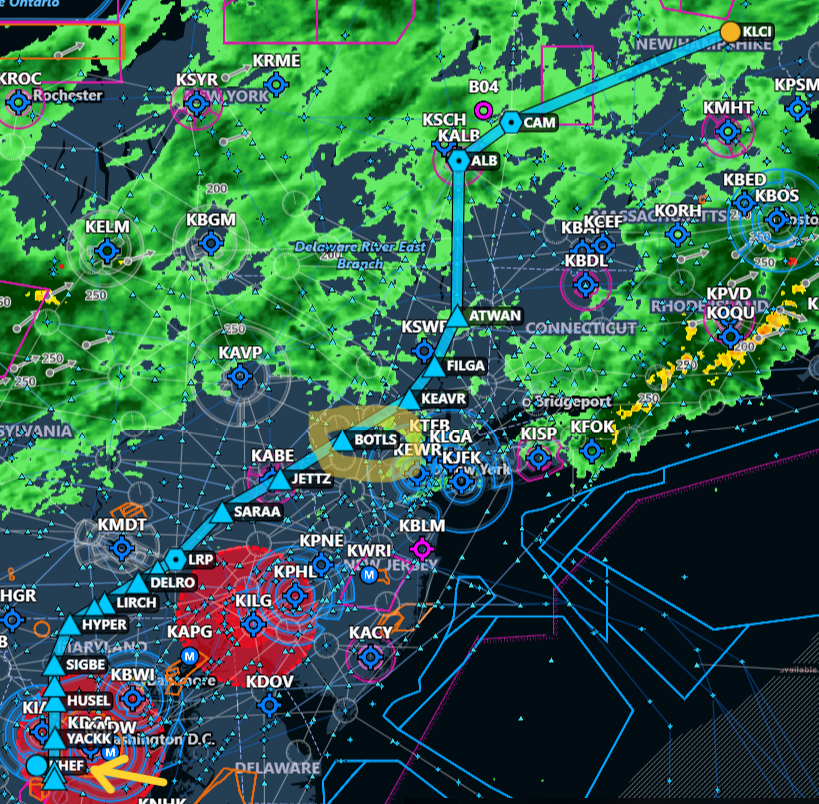
You don’t have to be flying through a thunderstorm to experience P-static. Merely flying through cloud laters, precipitation or mist in the vicinity of convective storm cells exposes the aircraft to enough electrical energy to cause P-Static.
Conditions commonly associated with P-static include:
- Climbing through layered clouds
- Flight in light rain
- Snow showers
- Ice crystal conditions near the tops of convective clouds
- Descending through widespread precipitation
- High-altitude cruise in very dry air
How to Mitigate P-Static
While pilots cannot completely eliminate atmospheric static, they can minimize its impact. The AFM suggests pilots turn on Windshield Icing Protection System to mitigate P-Static using secreted TKS Fluid. I have also determine switched to the Comm 2 radio also helps to some extent due to the antenna being located on the bottom of the jet.
1. Avoid Convective Weather
Thunderstorms produce extremely high electrical fields.
Even remaining well outside visible cells greatly reduces the likelihood of severe static buildup.
2. Minimize Time in Heavy Precipitation
Heavy rain, snow, and ice crystals increase charging rates.
Whenever practical, alter altitude or course to reduce exposure.
3. Maintain the Aircraft
During inspections, ensure:
- Bonding straps remain intact
- Lightning protection components are undamaged
- Composite repairs maintain proper electrical continuity
- Antennas are properly installed
- Static discharge devices (where applicable) are in good condition
Even small maintenance discrepancies can increase susceptibility.
4. Recognize the Symptoms
If communications suddenly become noisy while flying in precipitation:
- Consider P-static before assuming a radio failure.
- Verify the issue affects multiple radios.
- Compare COM1 and COM2 performance.
- Continue using standard troubleshooting procedures while maintaining situational awareness.
- Refer to AFM for Lost Communications procedures.
5. Change Atmospheric Conditions
Often the simplest solution is changing altitude.
A climb or descent of only a few thousand feet may place the aircraft in different moisture conditions where static generation rapidly decreases.
Is P-Static Dangerous?
Usually not.
P-static is primarily an operational nuisance rather than a safety threat. The greater concern is the distraction it creates or the temporary degradation of communications during high-workload phases of flight.
Pilots who recognize the signs can quickly distinguish atmospheric interference from actual avionics failures.
The Bottom Line
P-static is a normal phenomenon that every turbine pilot will eventually encounter. Understanding how electrostatic charges build on the aircraft, recognizing the characteristic radio interference, and knowing how weather influences static generation can help Vision Jet pilots make better operational decisions.
The best defense is prevention: avoid areas with significant atmospheric electrical activity when practical, maintain the aircraft’s bonding and lightning protection systems, and recognize that sudden radio noise in precipitation is often environmental—not equipment failure.
Knowing the difference allows pilots to remain focused on flying the aircraft while applying the appropriate troubleshooting steps.
Let’s Connect
Whether you’re looking for a contract pilot, Supervised Operating Experience – SOE mentor, or long-term operational partner, SF50 Flight Support provides the reliability and expertise your Vision Jet deserves.
📍 Based in the Nashville area — supporting Vision Jet operations nationwide.
📧 Contact us today to discuss your upcoming flight needs. Call or text (615) 543-8553 or schedule a call.
For more video content, check out our – YouTube channel.